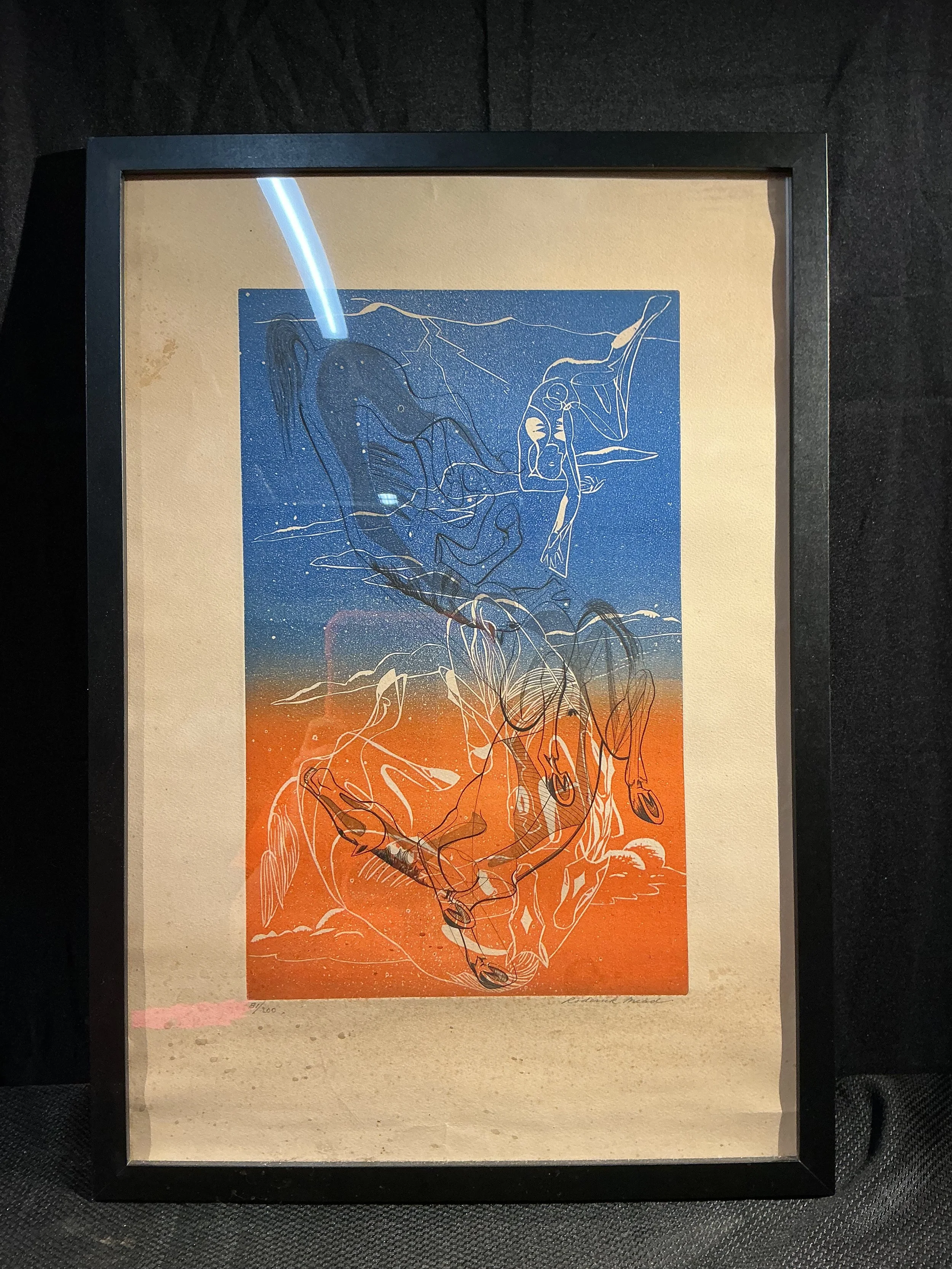
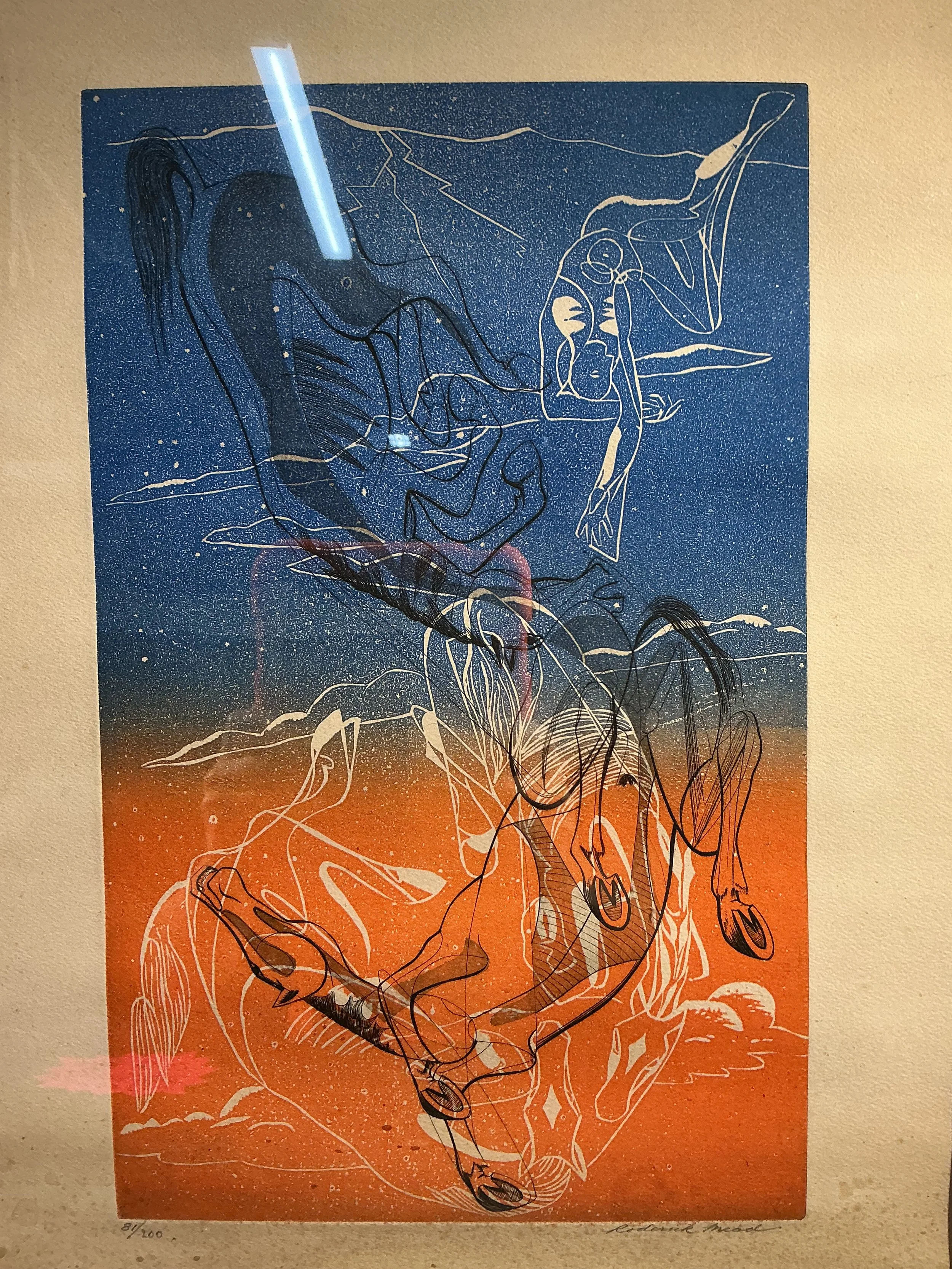
Phaéton By Roderick Fletcher Mead ~ Lithograph ~ Signed Limited Edition

$150.00

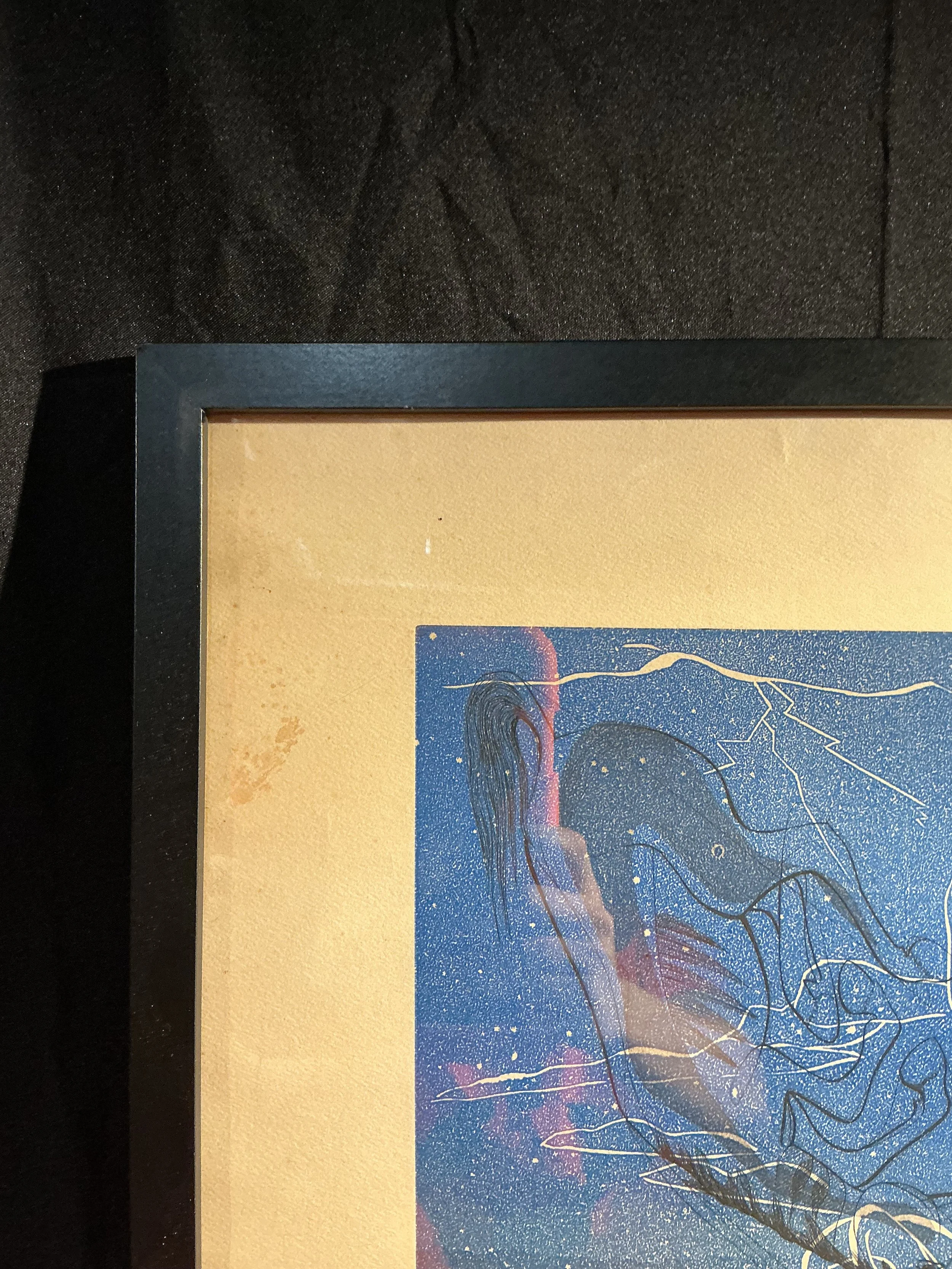
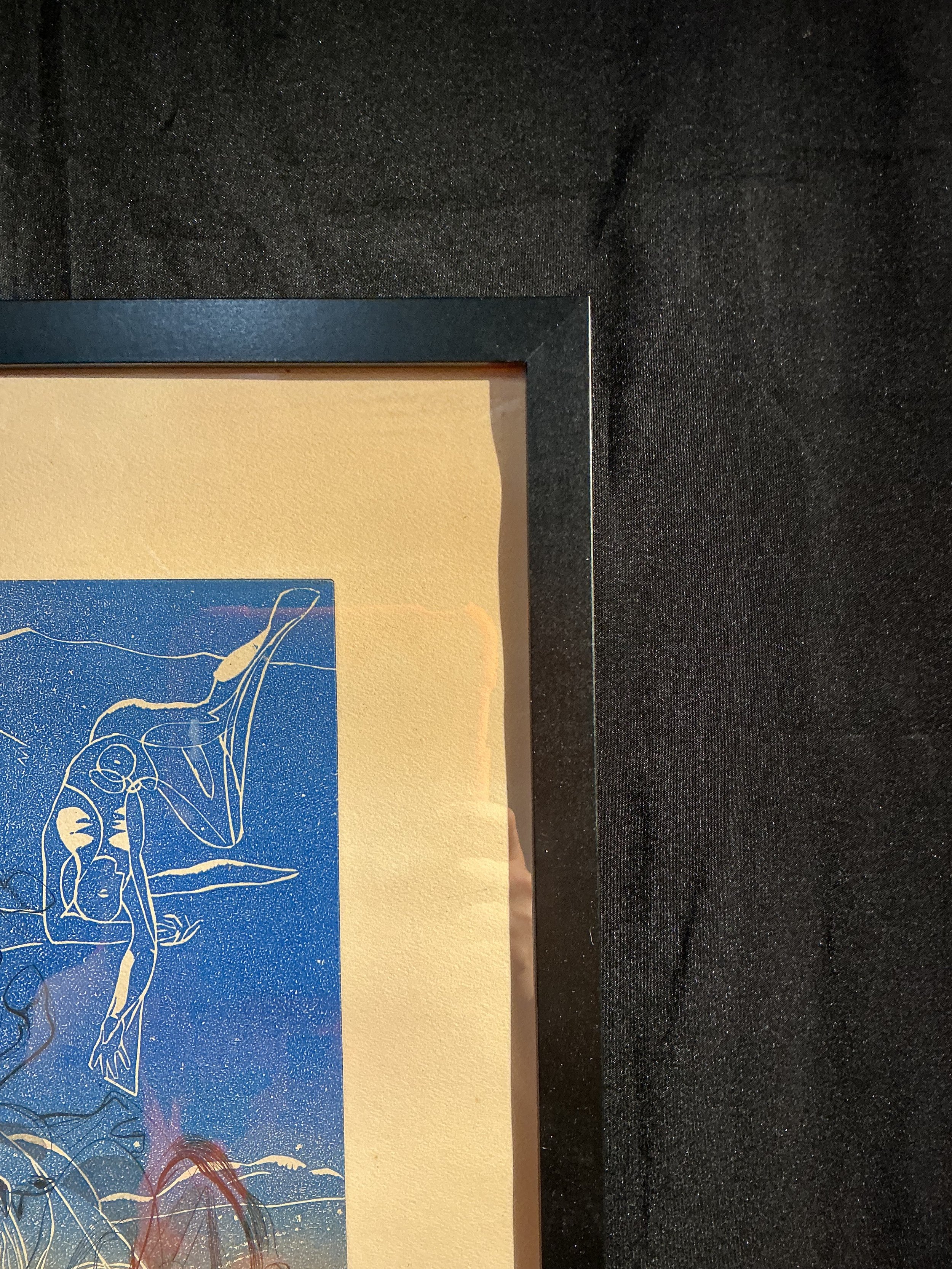
Surrealist print by Roderick Fletcher Mead (1900 - 1971) representing horses and bodies of women entwined.

Roderick Fletcher Mead was an American artist. Mead was best known for his engravings, but his work encompassed a number of media including oil paintings, prints, etchings, woodcut and also watercolors. He is represented in the collections of the Metropolitan Museum of Art, Carnegie Institute, and the Victoria and Albert Museum, among others.

The name “Phaèton” derives from Greek mythology, Phaethon was the mortal son of the sun god Helios and the ocean nymph Clymene. Fired by a desire to prove his divine lineage, he famously begged his father to let him drive the chariot of the sun for a single day, a tragic hubris that resulted in the fiery scorching of the Earth and his own instantaneous destruction by Zeus's thunderbolt.

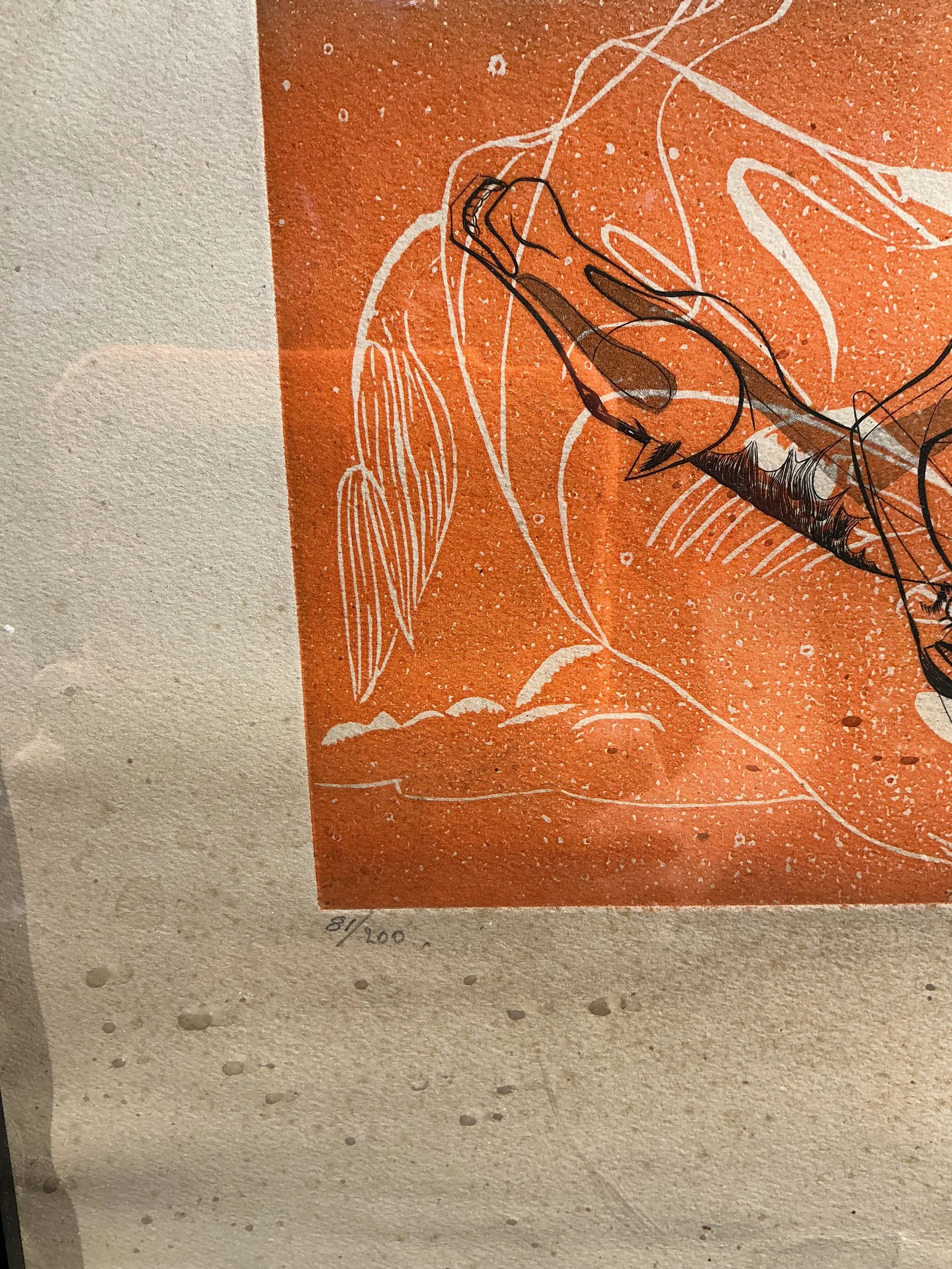
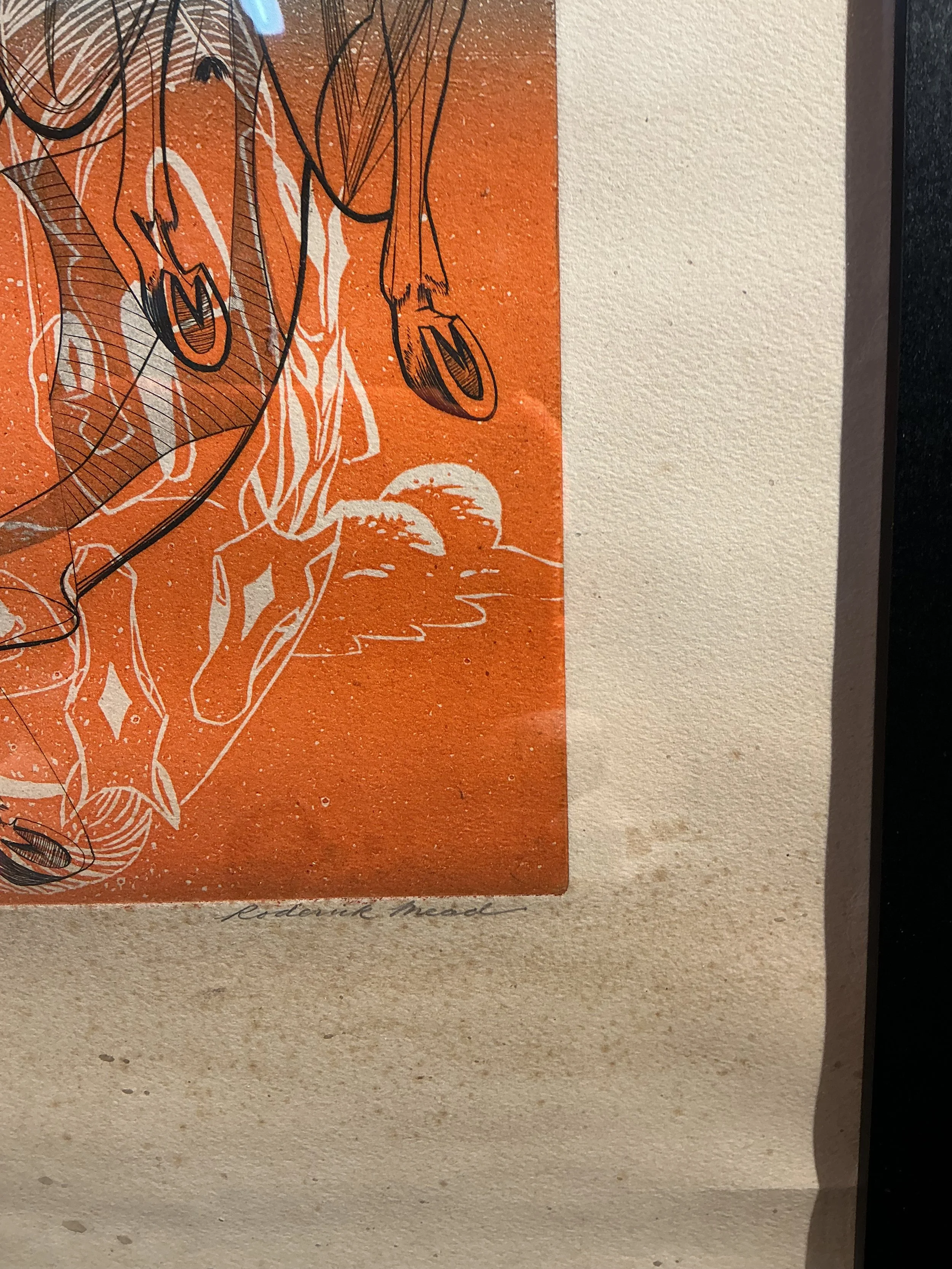
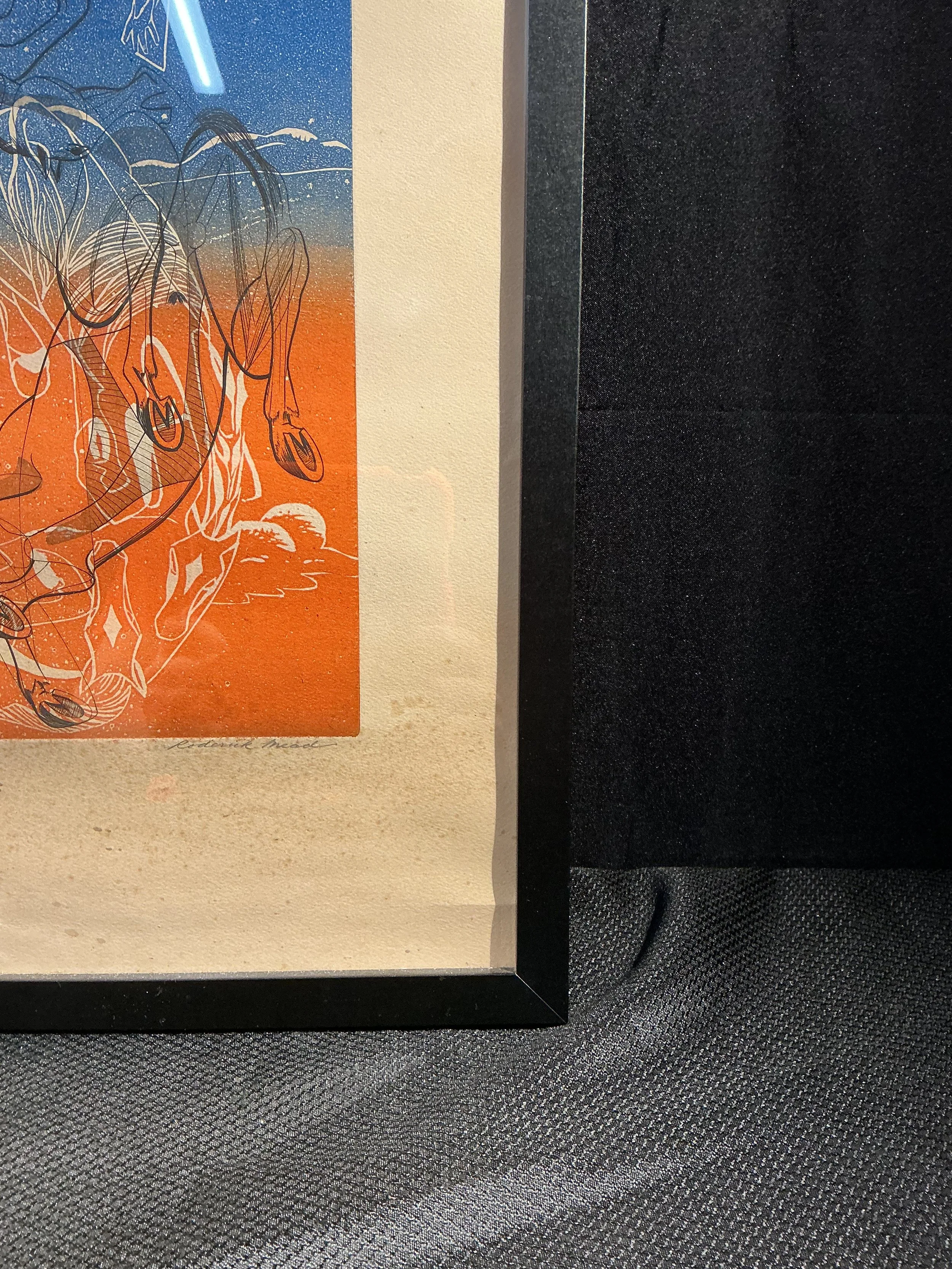
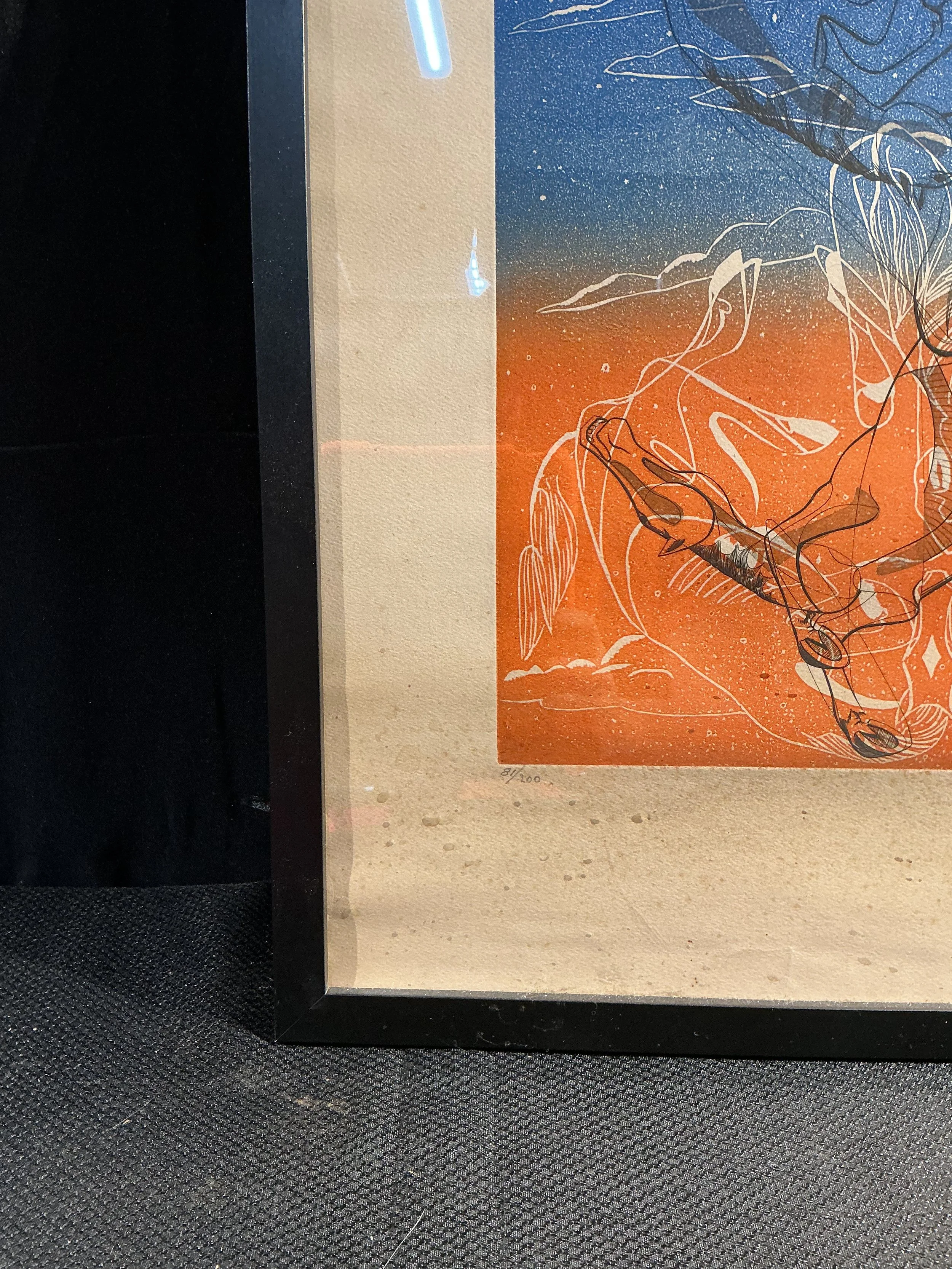
The bottom left corner shows the handwritten pencil edition number (out of a total edition size of 200 published by the Guilde de la Gravure), and the lower right corner features Roderick Mead's authentic pencil signature.

Surrealist print by Roderick Fletcher Mead (1900 - 1971) representing horses and bodies of women entwined.

Roderick Fletcher Mead was an American artist. Mead was best known for his engravings, but his work encompassed a number of media including oil paintings, prints, etchings, woodcut and also watercolors. He is represented in the collections of the Metropolitan Museum of Art, Carnegie Institute, and the Victoria and Albert Museum, among others.

The name “Phaèton” derives from Greek mythology, Phaethon was the mortal son of the sun god Helios and the ocean nymph Clymene. Fired by a desire to prove his divine lineage, he famously begged his father to let him drive the chariot of the sun for a single day, a tragic hubris that resulted in the fiery scorching of the Earth and his own instantaneous destruction by Zeus's thunderbolt.

The bottom left corner shows the handwritten pencil edition number (out of a total edition size of 200 published by the Guilde de la Gravure), and the lower right corner features Roderick Mead's authentic pencil signature.